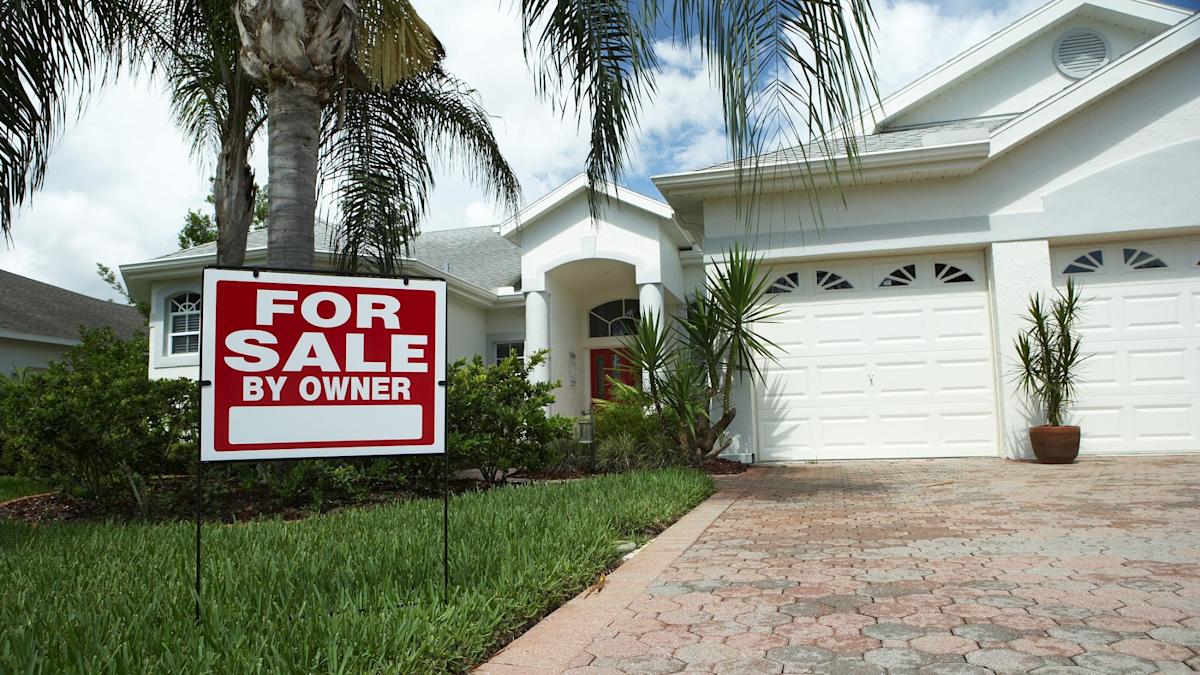
Home Sales in Broward vs. Miami-Dade: What Days on Market Really Tells You
December 8, 2025
December 8, 2025
A lot of agents talk about "low inventory" or "hot neighborhoods," but when you’re actually advising a client, the metric that exposes what’s really happening is Days on Market (DOM). DOM is where you see buyer hesitation, overpricing, seasonality swings, and neighborhood-level momentum - all without waiting for quarterly reports.
South Florida makes this even more interesting because Broward and Miami-Dade don’t behave the same, even when overall demand looks strong. If you’ve ever tried to price a listing in Pembroke Pines using the same expectations you’d bring into Kendall, you already know how quickly DOM can get away from you.
And for homebuyers, DOM is often the first clue that a "deal" might really be a stale listing hiding inspection issues, unrealistic pricing, or seller fatigue.
So the real question isn’t "Is the market good?" It’s "How long are homes actually taking to sell in each county - and why?"
Most people assume Miami-Dade should move faster because it’s the global gateway, luxury magnet, and international demand center. But this is where the first misconception creeps in: high demand doesn’t automatically translate to quicker sales.
Miami-Dade carries two structural challenges that keep DOM higher in many segments:
More luxury inventory: High-end listings naturally sit longer. They attract a global buyer base, but those buyers shop slowly and negotiate harder.
Heavier price gaps: Too many sellers in Miami-Dade anchor their expectations to "record-setting comps," even when those comps came from peak-momentum months. Broward sellers, in general, track data a bit closer.
Varied neighborhood performance: DOM is wildly different between Coral Gables, Brickell, Homestead, and Miami Lakes. Broward’s spread is tighter, which stabilizes averages.
By contrast, Broward’s median price points are more approachable, and its buyer pool tends to move faster. Homes priced correctly in Cooper City or Tamarac can still hit that 20–30 day window consistently, even when macro conditions cool.
Around this point in the conversation, sellers usually ask whether their home fits the "fast-moving" category or the "expect 45–60 days" category. If you want a real, property-specific read, this is where it helps to request a Broward or Miami-Dade home valuation. You can't judge DOM accurately without granular pricing.
DOM has a reputation for being a pricing metric, and pricing absolutely sits at the core. But in South Florida, DOM has a few extra layers that shock out-of-state buyers and even new local agents.
Early Q2 can feel like peak demand - until you hit hurricane season, when DOM almost always stretches. Even resilient neighborhoods slow down when storms dominate the conversation. A perfectly priced Broward home might still take 10–15 days longer to secure a solid offer in late summer.
Neighborhoods with strict approval timelines add days even after going pending. This doesn’t show up in traditional DOM, but it does affect negotiation dynamics because buyers know delays are likely.
Homes built before the 1990s often face insurance hurdles. When a buyer starts collecting $6,000–$8,000 annual homeowners insurance quotes, they either walk or take longer to make decisions - both eventually inflate DOM.
This is also why pricing strategy matters more here than in many markets. Sellers who expect fast offers often underestimate how strongly insurance, inspections, and lending guidelines shape buyer urgency.
If you're prepping a listing and want to avoid the common traps that push DOM higher, it helps to work with resources focused on seller decisions specific to South Florida like selling your Miami or Broward home.
County-level DOM numbers can mislead you. They’re fine for media soundbites, but useless when advising an actual client.
Take these patterns that show up consistently:
Plantation vs. Fort Lauderdale: Plantation tends to move faster because its price points land squarely in the "fastest-moving" tiers. Fort Lauderdale skews higher DOM because of mixed luxury inventory and waterfront properties that always sell slower.
Hollywood vs. Aventura: Hollywood single-family homes move faster than most people expect. Aventura’s condo-heavy market tends to sit longer, especially in buildings with aging 40/50-year recertification issues.
Doral vs. Miramar: Doral’s newer inventory attracts international buyers who shop on longer cycles. Miramar’s buyer pool is more local, more immediate, and more price-sensitive - which shortens DOM.
The pattern is simple but easy to overlook:
DOM rarely reflects demand alone. It reflects demand multiplied by friction.
When sellers ask, "Why did the home across the street go under contract in a week?" the answer usually involves a quick audit of condition, price band, showing access, HOA restrictions, and whether the home fell into a "fast lane" demographic.
If you're researching where DOM aligns with your goals - fast move, slower move, or strategic price positioning - you can browse Miami and Broward neighborhoods to see how different micro-markets behave.
Buyers often assume two things:
Low DOM means "this home will get multiple offers."
High DOM means "there must be something wrong."
Both can be true, but both can also be wildly misleading.
A Broward listing priced aggressively below the comps can show a DOM of 1–3 days and still end up with four offers that are all below asking. Fast doesn’t always mean frenzy.
Some Miami-Dade listings sit because sellers start too high, reduce slowly, then finally hit the right price weeks later. At that point, the property is essentially "new" again despite the DOM being inflated. Savvy buyers use this to negotiate - not walk away.
A property that went from 90 DOM to "back active" often signals inspection issues or financing fallout, but a home that sits at 30 DOM with steady showing activity is very different from one that sits at 30 DOM with no feedback at all.
If DOM spikes suddenly in a neighborhood without a pricing shift, agents should check for nearby construction, HOA disputes, or new insurance restrictions. These invisible factors affect pace before they affect price.
Here’s where things get practical. Sellers almost always overestimate the "Miami effect" or the "Broward advantage."
Expect more variation. Homes under $700K may move quickly if priced well, but once you enter the $1M+ range, DOM becomes less predictable. Global buyers take their time, and many purchase only after multiple visits.
You’ll see a tighter range of outcomes. Cooper City, Sunrise, and Margate often follow more consistent DOM patterns because buyer profiles and price bands are more stable.
Setting expectations based on a friend’s sale in a different county. That’s how you end up 20 days on the market without understanding why activity stalled.
Pricing slightly below market in Broward can shorten DOM dramatically, but doing the same in Miami-Dade can attract investor interest that slows negotiations rather than accelerating them.
At around this point in a listing consultation, buyers and sellers usually ask what else influences momentum. That’s where local expertise matters, which is why having guidance from a professional who knows both counties - such as Jenilyn Martinez Miami real estate - helps make sense of the data without guesswork.
DOM is not a scoreboard - it’s a diagnostic tool. It shows whether buyers are responding to a property the way they typically respond to similar homes, in similar neighborhoods, during similar conditions.
You don’t need a 20-page market report to make smart decisions here. You just need:
Your price band
Your neighborhood’s micro-pattern
Current buyer friction (insurance, approvals, financing)
Seasonal timing
A sense of whether you’re entering a fast lane or slow lane
That’s all DOM is reflecting.
When you put those together, selling or buying in South Florida becomes far more predictable than most people think.
If your next move depends on understanding how quickly homes like yours should move, or how aggressively you need to act as a buyer, that’s the moment to reach out for local guidance - which usually starts with getting a read on your specific area or property.
And if you're planning your next step, the homepage for Jenilyn Martinez Miami real estate is a solid place to map out how DOM intersects with your goals.
It depends on your budget and lifestyle. Broward usually offers faster-moving listings and more affordable options, while Miami-Dade delivers stronger long-term appreciation in select neighborhoods but at higher entry prices.
Most well-priced homes in Miami-Dade sell in 30–45 days, but luxury and waterfront listings often take longer because buyers move more slowly in those segments.
Broward’s typical DOM ranges from 20–35 days for correctly priced single-family homes, with more consistent timelines across most neighborhoods.
Broward often moves faster than Miami-Dade because its inventory sits in price points with stronger buyer urgency and fewer friction points like condo approvals or insurance hurdles.
Luxury pricing, insurance challenges, older inventory, and stricter building or condo rules slow buyer decision-making and push DOM higher in many Miami-Dade communities.
Pricing, condition, seasonal timing, insurance costs, HOA requirements, financing limitations, and neighborhood demand all influence how quickly a home attracts solid offers.
DOM is generally reliable, but it can be distorted when listings are withdrawn and relisted, when price reductions reset activity, or when pending contracts fall through.
Late winter through spring usually delivers the strongest buyer activity. Hurricane season often slows momentum, making summer and early fall less predictable.

3% mortgage rate lock-in

Coral Gables Condos Under $2M: What Buyers Need to Know

What It Means for Pinecrest, High Pines, Coral Gables, Coconut Grove, South Miami, and East Kendall
Save Time and Money with this One Home Inspection

The Hidden Cost of Waiting to Sell Your Home in Miami Dade

Miami Home Prices

What’s Really Happening in Coral Gables, Coconut Grove, South Miami, Pinecrest, Kendall & Beyond
Real opportunities are in today’s Miami market
Whether working with buyers or sellers, Jenilyn provides outstanding professionalism into making her client’s real estate dreams a reality. Contact Jenilyn today to start your home searching journey!