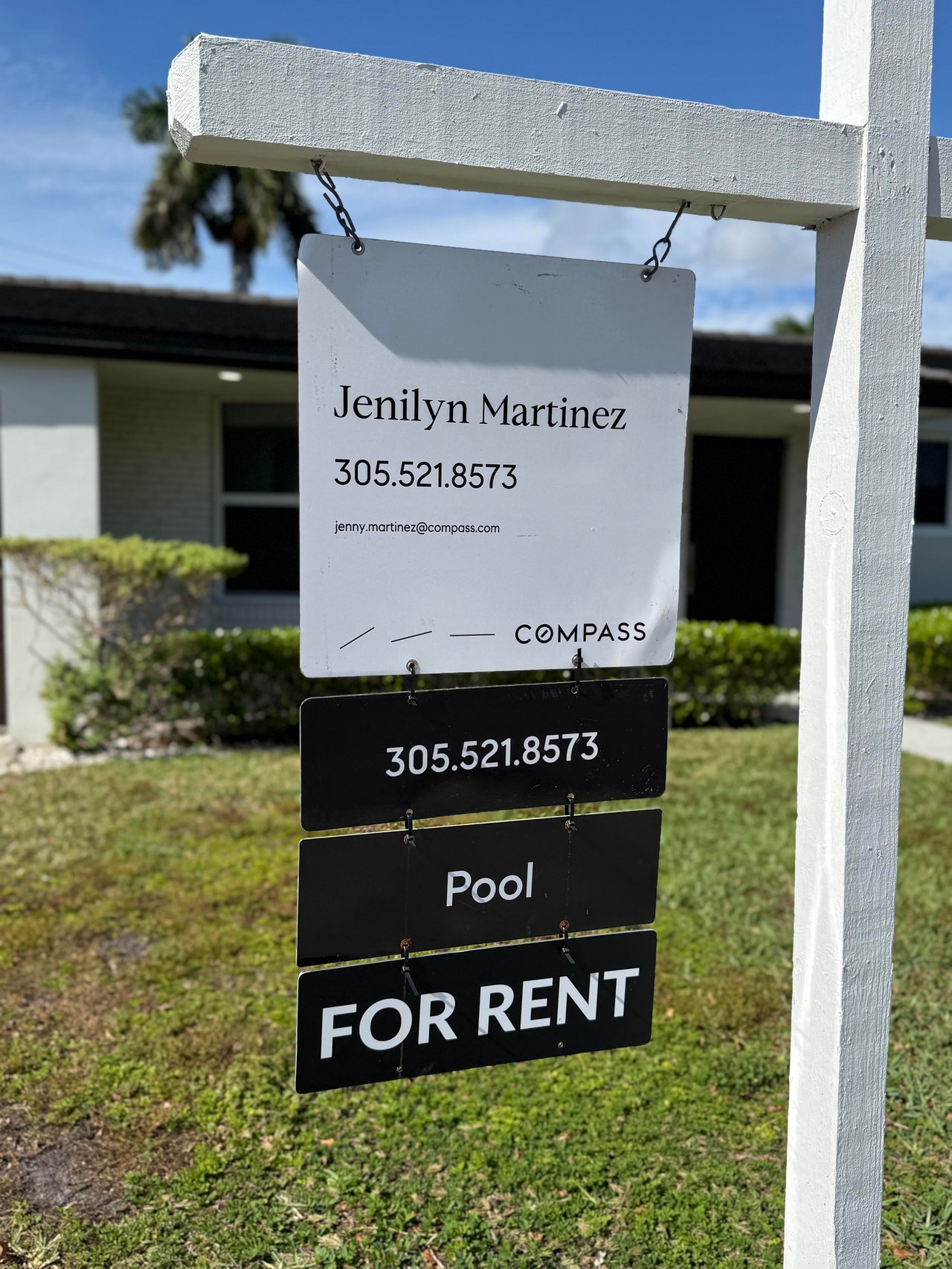
Renting Out Your Miami Home Instead of Selling: What You Should Know
Jenilyn Martinez December 2, 2025
Jenilyn Martinez December 2, 2025
More Miami homeowners are asking whether it makes sense to rent out their home instead of selling it, especially in markets like South Miami, Coral Gables, Coconut Grove, Kendall, Pinecrest and surrounding areas. Renting can seem appealing — you keep ownership, generate monthly income, and benefit from future property appreciation — but it also comes with responsibilities and costs that many homeowners don’t anticipate.
Below is a practical, Miami-specific guide to help you weigh that decision with confidence.
Renting your home can be a smart financial move for several reasons:
Turning your home into a rental means collecting monthly rent that can help cover — or exceed — your mortgage, property taxes, HOA fees, and insurance. Over time, that can add up to positive cash flow.
Homes in desirable Miami neighborhoods tend to appreciate over time. By renting instead of selling, you preserve the opportunity to benefit from future value increases instead of locking in today’s price.
If you plan to move back someday — or want to sell when the market improves — renting gives you the flexibility to hold the asset while still generating income.
Renting out your home is not passive — and there are some costs and challenges that many first-time landlords overlook:
Homes don’t always rent immediately, and while your property is vacant, you’re still responsible for:
Mortgage payments
Insurance
Property taxes
HOA dues
Utilities
Maintenance bills
Especially in today’s market, it’s not unusual for properties to stay on the rental market for 60–100 days or more depending on condition and pricing. Jenilyn Martinez Realtor
Renters today often expect modern features such as:
Updated kitchens and bathrooms
Outdoor living areas
EV charging readiness
Space for multiple vehicles
Homes lacking these features can take longer to rent or command lower rents. Jenilyn Martinez Realtor
Even well-maintained homes age and need attention. Typical rental landlord costs include:
AC replacements
Plumbing or electrical repairs
Appliance updates
Lawn, pest, and pool services
Treating regular upkeep as part of your annual budget — not an occasional expense — is essential. Jenilyn Martinez Realtor
Once you switch from a homestead to a rental property, you’ll typically lose your Florida homestead exemption, which can increase property taxes significantly. Many homeowners forget to factor this into their rental income math. Jenilyn Martinez Realtor
Before deciding whether to rent instead of sell, consider these key factors:
Is your neighborhood a rental hotspot? Areas near universities, transit, schools, or employment centers tend to attract renters faster and at higher rents.
Do the projected rents cover your total monthly costs and leave you a cushion for vacancies and unexpected repairs? If not, renting may end up costing you money instead of earning it. Bankrate
Being a landlord requires time and involvement — from screening tenants to handling repairs. Hiring a property manager can lighten the load but typically costs around 8–12% of monthly rent. Bankrate
How long do you plan to hold the property? The longer you can reliably rent, the more likely it is that the income and appreciation will outweigh the costs of selling now. t
Here’s a quick snapshot to help you compare high-level tradeoffs:
| Pros of Renting | Cons of Renting |
|---|---|
| Steady monthly income | Ongoing maintenance & repair costs |
| Future home value appreciation | Possible vacancies & tenant turnover |
| Keep asset for future sale or return | Higher property taxes (no homestead exemption) |
| Potential tax benefits (depreciation, deductions) | Time and effort of landlord duties |
While renting has its advantages, selling can be the best move when:
You need access to equity now for another purchase. Bankrate
You don’t want ongoing landlord responsibilities. Bankrate
Market conditions favor selling (high demand, limited supply, strong pricing). Bankrate
Selling gives you a lump-sum payout, eliminates ongoing costs, and lets you redirect equity toward your next move or investment. Bankrate
Do I need a property manager?
You don’t have to, but many Miami homeowners choose one to handle day-to-day issues, marketing, tenant screening, and maintenance coordination.
What if my home won’t rent for the price I expect?
You may need to adjust pricing, make targeted updates, or review tenant demand drivers in your neighborhood before setting final rent.
Are there tax benefits to renting?
Yes — rental income is taxable, but many expenses (maintenance, insurance, mortgage interest) are deductible, and depreciation can reduce taxable rental income.
Deciding between renting and selling is a big financial and lifestyle decision — especially in today’s Miami market. Renting can offer income and future appreciation, but it also requires time, money, and long-term planning.
If you’re considering either path, I can help you compare projected rental income vs. sale proceeds, analyze your neighborhood’s rental demand, and determine which choice aligns best with your goals.
👉 Contact me to run personalized rent vs. sell projections for your home and get clarity before you decide.

Coconut Grove Real Estate Market 2026: Houses vs. Condos | Jenilyn Martinez

Coral Gables Homes and Condos for Sale


3% mortgage rate lock-in

Coral Gables Condos Under $2M: What Buyers Need to Know

What It Means for Pinecrest, High Pines, Coral Gables, Coconut Grove, South Miami, and East Kendall

Save Time and Money with this One Home Inspection

The Hidden Cost of Waiting to Sell Your Home in Miami Dade

Miami Home Prices
Whether working with buyers or sellers, Jenilyn provides outstanding professionalism into making her client’s real estate dreams a reality. Contact Jenilyn today to start your home searching journey!