
Market Discovery Is Not a Pricing Strategy: Why Testing a High Asking Price Can Cost Miami Home Sellers
Jenilyn Martinez November 4, 2026
Jenilyn Martinez November 4, 2026
The market will tell us what buyers are willing to pay. The key is positioning your home correctly before that conversation begins.
By Jenilyn “Jenny” Martinez | Miami Realtor® | Compass Real Estate
Pricing a home isn't about choosing the highest number and hoping a buyer agrees. It's about understanding the competition, positioning the property strategically, and evaluating how buyers respond.
For homeowners preparing to sell in Coral Gables, Coconut Grove, Pinecrest, South Miami, Kendall, and surrounding Miami neighborhoods, here are five important takeaways:
The goal isn't to test how much we can ask. It's to position the home where buyers are most likely to respond.
If you've ever considered selling your home, you've probably had this thought:
"Let's list it a little higher. We can always reduce the price later."
I understand the reasoning. Nobody wants to leave money on the table, especially when selling what may be their largest financial asset.
But here's the problem.
"Let's start high and see what happens" can be one of the most expensive approaches to selling real estate.
Why?
Because buyers aren't evaluating your home in isolation. They're comparing it against every other property available within their budget.
A buyer looking at a $1.8 million home in Pinecrest may also be considering properties in South Miami, Coral Gables, or Palmetto Bay.
They're comparing square footage, lot sizes, condition, location, and overall value.
If your home doesn't compete favorably with those alternatives, buyers may simply move on.
And once that initial excitement disappears, getting those buyers back can become much harder.
Market Discovery is the process of testing our assumptions about a property's value against actual buyer behavior.
Before listing a home, we analyze comparable sales, current competition, property condition, location, and market trends.
That research helps us determine where the property should be positioned.
But no matter how much data we analyze, we cannot predict with certainty what a buyer will ultimately be willing to pay.
That's where buyer behavior becomes important.
When buyers begin interacting with a property, they provide valuable information about how the home is perceived in the market.
Are they scheduling showings? Returning for second visits? Bringing family members? Submitting offers?
Or is the property receiving very little attention?
Market Discovery helps us interpret that feedback. It should never be an excuse to skip the research and simply test an unrealistic asking price.
I've written before about why the first two weeks of a listing can make or break its momentum.
This is typically when a newly listed home has one of its strongest opportunities to capture buyer attention.
Buyers who have been actively searching receive listing alerts. Agents review the property. Showings are scheduled, and serious buyers begin comparing the home against their alternatives.
As a Miami listing agent, I pay close attention to what happens during this initial period.
I look beyond online views and evaluate actual buyer engagement:
And perhaps the most important question:
What happens when almost nothing happens?
Silence is information.
If a property receives very little showing activity, that tells us something.
It doesn't automatically mean the price is wrong. There may be issues with presentation, marketing exposure, property condition, or overall market demand.
But the absence of meaningful buyer engagement is information we cannot afford to ignore.
Here's something many sellers don't consider.
Every additional day a property remains on the market without meaningful engagement can change buyer psychology.
During the first week, buyers may ask:
"Could this be the right house?"
After several weeks, the conversation may shift to:
"Why hasn't it sold?"
"Is something wrong with it?"
"Do you think the seller will reduce the price?"
As days on market accumulate, buyers may become more cautious, and sellers can lose negotiating leverage.
Eventually, a price reduction may become necessary to generate renewed interest.
But a reduction doesn't necessarily recreate the excitement of a new listing.
And while extended market time doesn't automatically mean a home is overpriced, it can be a sign that the asking price, property condition, or marketing strategy isn't aligned with buyer expectations.
The longer we wait to interpret the market's feedback, the more difficult it can become to regain momentum.
When I meet with a homeowner in Coral Gables, Coconut Grove, Pinecrest, South Miami, or Kendall, my goal isn't to tell them the highest price their home could possibly sell for.
It's to determine the strongest initial position based on the available evidence.
That means studying recent comparable sales, evaluating active competition, understanding the property's condition, and identifying what buyers can purchase at similar price points.
Then we build the listing strategy around that information.
Here's how I explain it to sellers:
"Based on everything we know today, this appears to be the strongest place to begin. We're going to position your property where we believe we can maximize buyer engagement during the first critical window.
If buyers respond the way we expect, wonderful.
If they don't, the market has given us new information, and we'll use that information to determine our next move."
This approach isn't about guessing.
It's about making an informed decision, observing the results, and responding strategically.
One of the advantages of working with Compass is having access to different marketing approaches that may help prepare a property for its public launch.
When appropriate, I may recommend introducing a home through Compass Private Exclusive or Coming Soon marketing.
A Private Exclusive allows us to introduce the property to a limited audience within the Compass network. This can provide opportunities to gather early feedback about pricing, presentation, and buyer interest before broader exposure.
Coming Soon marketing can help build awareness ahead of the property's active launch, subject to applicable MLS rules and brokerage policies.
These strategies don't guarantee a sale, and feedback from a limited audience cannot fully predict how the broader market will respond.
But when used thoughtfully, they can help us evaluate our assumptions and prepare for a stronger public launch.
The purpose isn't to test an inflated price. It's to gather useful information while protecting the opportunity to make a strong first impression.
I've successfully generated multiple offers and secured contracts following the first open house on several Miami properties, including homes in original condition and beautifully updated residences.
Those results weren't accidental.
They involved preparation, thoughtful pricing, professional photography, targeted marketing, neighborhood outreach, and a coordinated launch.
My strategy is designed to attract qualified buyers early and create the conditions for competition when market demand supports it.
But getting offers is only part of the equation.
With more than a decade of experience as a paralegal working with legal contracts, I also understand the importance of evaluating contract terms, financing, contingencies, and a buyer's ability to close.
The strongest offer isn't always the highest offer.
My responsibility is to help sellers evaluate the entire transaction and negotiate terms that support a successful closing.
This is one of the most common questions homeowners ask me.
And it's a fair question.
But asking what a home is worth is also asking someone to predict what a future buyer will be willing to pay.
We can estimate market value through comparable sales, current inventory, and professional analysis.
What we cannot know with certainty is the final price until buyers begin interacting with the property and a transaction is negotiated.
That's why pricing should be based on evidence rather than wishful thinking.
The right question isn't, "What's the highest price we can list for?"
It's:
"What initial position gives us the greatest probability of attracting qualified buyers and generating the competition that reveals what the market is willing to pay?"
That is where a thoughtful listing strategy begins.
Selling a home is a major financial decision, and every homeowner deserves a strategy based on research, preparation, and realistic market expectations.
Market Discovery is valuable because it helps us understand how buyers respond.
But it should never replace the work required to price a home intelligently from the beginning.
The objective isn't to spend 60 or 90 days discovering that the original asking price was too ambitious.
It's to use everything we know before listing to make those first 7–14 days count.
Whether you're preparing to sell in Coral Gables, Coconut Grove, Pinecrest, South Miami, or Kendall, my approach is the same: understand the competition, position the property strategically, and let meaningful buyer behavior guide our decisions.
We don't price your home to test the market. We use market research to price it strategically, then use buyer behavior to validate our strategy.
If you're considering selling your Miami home, I'd be happy to prepare a personalized market analysis and discuss how I would position your property for a successful launch.
Market Discovery is the process of evaluating a property's pricing and positioning against actual buyer behavior, including showing requests, repeat visits, feedback, and offers. It helps sellers and their agents understand whether the initial listing strategy is aligned with market demand.
Not necessarily. An asking price that is significantly above what comparable properties support may discourage qualified buyers and reduce early showing activity. Strategic pricing aims to attract buyers from the beginning rather than relying on future price reductions.
The first two weeks often provide valuable insight into buyer demand because a new listing receives attention from buyers and agents actively searching in that price range. Showing activity, feedback, and offers can help determine whether the initial pricing and marketing strategy is working.
Limited showing activity may indicate that the asking price, property presentation, marketing exposure, or market conditions aren't meeting buyer expectations. A listing agent should evaluate the available data before recommending changes.
Not automatically. Market value depends on comparable sales, property condition, location, and buyer demand. However, extended days on market may affect buyer perceptions and negotiating leverage, particularly if a property has experienced repeated price reductions.
Compass Private Exclusive marketing can provide early feedback from a limited audience of agents and buyers. That information may help refine a listing strategy, but it should supplement—not replace—a comprehensive market analysis. Limited exposure may not accurately represent full-market demand.
A knowledgeable listing agent evaluates recent comparable sales, active competition, property condition, location, market trends, and buyer expectations. The goal is to establish an asking price that attracts qualified buyers while supporting the seller's financial objectives.
Jenilyn “Jenny” Martinez is a Miami Realtor® with Compass Real Estate specializing in residential listings, strategic pricing, property marketing, and contract negotiations. With over 12 years of real estate experience and a legal background as a paralegal, she helps Miami-Dade homeowners develop informed pricing strategies and navigate the selling process.
About the Author
Jenilyn “Jenny” Martinez is a Miami native, University of Miami graduate, and Realtor® with Compass Real Estate. With over 12 years of real estate experience and more than a decade of experience as a paralegal, she specializes in strategic home marketing, pricing, and skilled negotiations throughout Coral Gables, Coconut Grove, Pinecrest, South Miami, Kendall, and surrounding Miami-Dade County communities.
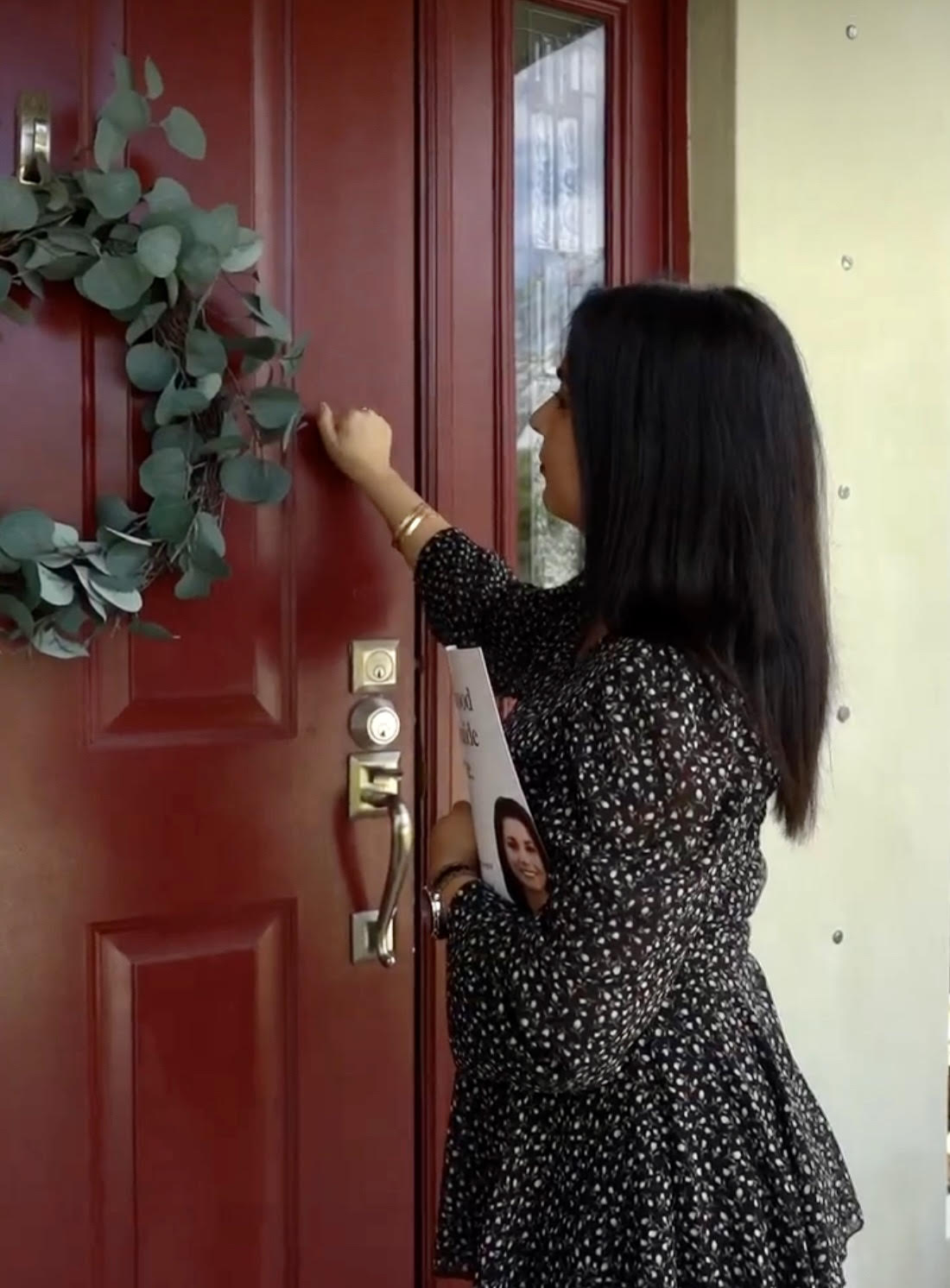
Wondering why your Miami house isn't selling? Realtor Jenilyn Martinez explains 7 common reasons, local market trends, and how to attract serious buyers
Pricing a Home in Miami: Why Testing the Market Can Cost You

First two weeks selling a home

By Jenilyn “Jenny” Martinez | Miami Realtor® | Compass Real Estate

From My Family's HVAC Roots to Miami Real Estate: What Homeowners Should Know About AC Systems, Home Improvements, and Property Value

Miami Real Estate Market Update | October 2026

Coconut Grove Real Estate Market 2026: Houses vs. Condos | Jenilyn Martinez

Coral Gables Homes and Condos for Sale

Whether working with buyers or sellers, Jenilyn provides outstanding professionalism into making her client’s real estate dreams a reality. Contact Jenilyn today to start your home searching journey!