
Renting in Miami: What $5,000 Gets You | Jenilyn Martinez
Jenilyn Martinez November 11, 2026
Jenilyn Martinez November 11, 2026
Why I'm Selective About Rental Listings and Why Tenants Should Expect Better
By Jenilyn “Jenny” Martinez | Miami Realtor® | Compass
Renting a home for $5,000 a month in Coral Gables, Coconut Grove, or South Miami doesn't guarantee a beautifully renovated property. But it should come with reasonable expectations of cleanliness, maintenance, and responsible property ownership.
After stepping away from tenant representation years ago, I recently helped a friend search for a two-bedroom, two-bathroom rental in these desirable Miami neighborhoods. What I encountered reminded me exactly why I made that business decision.
Some properties were poorly presented. Others showed signs of deferred maintenance. And a few left me wondering how they made it onto the rental market in their current condition.
As a Miami Realtor® with more than a decade of experience, I selectively represent landlords based on the condition of their properties—not who they are personally.
My philosophy is simple: A rental property may be an investment to the owner, but it's a home to the person paying to live there.
This may be an unpopular opinion among some investors and real estate professionals, but it's one I stand behind.
Years ago, I made the decision to focus my real estate business primarily on residential sales rather than tenant representation.
Today, I occasionally represent landlords, but I'm selective about the rental properties I agree to market.
Recently, I made an exception to help a friend find a single-family rental home.
Her wish list wasn't extravagant: two bedrooms, two bathrooms, a desirable location in Coral Gables, South Miami, or Coconut Grove, and a monthly budget of approximately $5,000.
That's $60,000 a year in rent.
You would think that budget would provide a reasonably well-maintained home.
Apparently, in certain pockets of Miami's rental market, that's asking a lot.
I'm not suggesting every $5,000 rental is poorly maintained. Far from it. But the condition of some properties we encountered was genuinely disappointing.
And I found myself asking two questions:
Why would a landlord present a property in this condition? And why would a real estate agent agree to market it without addressing the obvious issues?
Over the years, I've had the pleasure of representing landlords who still have an emotional attachment to their homes.
Perhaps it was their first home, the house where they raised their children, or a property they intend to return to someday.
Whatever the reason, they maintain it as though they still live there.
The air conditioning is serviced. The property is clean. Necessary repairs are addressed. The landscaping is maintained. The appliances work. The home is presented with pride.
These are the rental properties I enjoy representing.
In my experience, appropriately priced, well-maintained rentals like these have often secured tenants within approximately 30 days, although results vary depending on location, market conditions, and asking price.
And when a landlord wants to test a higher rental price? That's a different conversation.
A property doesn't automatically command a premium simply because the owner wants a particular return on investment.
The rental market determines what tenants are willing to pay. Property condition determines whether the asking price makes sense.
It's the same principle I discuss in my previous blog, Market Discovery Is Not a Pricing Strategy.
Whether you're selling or renting, testing an unsupported asking price can cost valuable market time.
Here's where my opinion may become controversial.
Some property owners appear to view their rental homes strictly as income-producing assets.
There's nothing wrong with investing in real estate. I believe real estate can be an excellent long-term investment.
But an investment property is still someone's home.
A tenant shouldn't have to become the unpaid property manager, maintenance coordinator, or caretaker for years of deferred maintenance simply because the landlord is focused on maximizing cash flow.
I'm not talking about ordinary wear and tear or a property that happens to have an older kitchen.
A home doesn't need to be renovated to the studs to be a good rental.
I'm talking about properties that appear neglected, inadequately prepared, or poorly maintained before a tenant has even moved in.
And there's a difference.
An older home can be beautifully maintained. A renovated home can be poorly maintained. The issue isn't age or finishes. It's care.
When I walk into a rental property, I look beyond the staging—or lack of it.
I pay attention to the air conditioning, signs of moisture intrusion, windows, doors, visible maintenance issues, and the general condition of the home.
In Miami, these aren't minor considerations.
They're part of living in South Florida.
If you've lived in Miami long enough, you know that our homes face conditions that properties in many other parts of the country don't.
High humidity, heavy rain, tropical storms, hurricane exposure, and year-round air-conditioning demands all affect how a property should be maintained.
For landlords, that means thinking beyond collecting rent.
A well-maintained Miami rental should have:
A home without impact windows isn't automatically a bad rental, and no upgrade can guarantee a property will withstand a hurricane. But landlords should understand the property's storm vulnerabilities and clearly communicate its protection features.
I want my landlords to protect their investment, but I also want tenants to feel comfortable and secure in the property they're renting.
Those goals shouldn't be in conflict.
Location is one of the biggest drivers of rental pricing in Miami.
Coral Gables, Coconut Grove, and South Miami attract renters for their established neighborhoods, restaurants, parks, schools, and proximity to major employment centers.
But those location premiums can create a difficult trade-off.
A renter may have the budget for a desirable neighborhood without having the budget for a renovated single-family home in that neighborhood.
For context, rental market reports from Realtor.com in October 2026 showed the following median monthly asking rents:
Market | Median monthly asking rent |
|---|---|
Coral Gables | $4,098 |
South Miami | $3,283 |
Coconut Grove | $6,350 |
Miami-Dade County | $2,900 |
Source: Realtor.com rental market reports, October 2026. Figures represent multiple residential property types and are not specific to two-bedroom single-family homes.
These numbers help illustrate why a $5,000 budget can mean very different things depending on the neighborhood and property type.
In Coconut Grove, that budget falls below the overall median asking rent. In Coral Gables and South Miami, it is above the overall median, but that doesn't guarantee a renovated or well-maintained single-family home.
And here's another interesting market trend.
According to Miami REALTORS' September 2026 rental market report, multifamily asking rents increased approximately 2% year over year in the Miami market area, with Coral Gables recording an 8.6% increase.
Those figures reflect multifamily rentals rather than individual single-family homes, but they provide additional context for rental pricing in desirable Miami neighborhoods.
Still, higher rents shouldn't be confused with higher property standards.
A desirable ZIP code doesn't excuse deferred maintenance.
After looking at single-family homes and considering townhouses, my friend began exploring condominiums.
And frankly, I think that may be the smarter direction for her budget.
A condo may offer more updated interiors, building amenities, maintained common areas, and less responsibility for exterior upkeep.
Of course, condo living has its own considerations.
Association approval requirements, parking restrictions, pet policies, building maintenance, and additional fees all need to be evaluated.
And an association doesn't eliminate the unit owner's responsibility for maintaining the interior or addressing issues assigned to the owner under the lease.
But if the choice is between a neglected single-family house and a well-maintained condo in a desirable location, I know which option I would seriously consider.
Sometimes the best real estate decision is adjusting the property type rather than compromising on condition.
Here's something I believe should become common practice in Miami's rental market: tenants should consider having a professional home inspection and a moisture or mold assessment before committing to a lease, particularly when renting an older single-family home.
We routinely recommend inspections when purchasing a property.
Why don't we encourage the same level of due diligence when someone is committing to $5,000 a month in rent?
That's $60,000 a year to live in a property you don't own.
In South Florida, where humidity, heavy rainfall, roof leaks, and air-conditioning issues can contribute to moisture problems, I think this is especially important.
A professional home inspection can help identify visible concerns involving plumbing, electrical systems, air conditioning, roofing, and general property condition.
A qualified mold professional can assess suspected moisture or mold issues and determine whether testing is appropriate.
An inspection won't uncover every hidden defect, and mold testing isn't necessary in every situation. But when there are signs of water intrusion, musty odors, staining, or a history of leaks, further evaluation is worth considering.
My advice?
Don't assume that because a property is available for rent, it's in good condition.
Ask questions, document concerns, and obtain the owner's permission before arranging professional inspections or sampling.
The cost of evaluating a property upfront may be small compared with the inconvenience and expense of discovering significant problems after moving in.
Here's another recommendation I stand behind: Whenever practical, show your rental property after the previous tenant has moved out and the home has been professionally cleaned and prepared.
I understand that landlords want to minimize vacancy. Every day without a tenant represents lost income.
But you generally get one opportunity to make a strong first impression.
Not every tenant maintains the same level of cleanliness or organization. That's simply reality, and it doesn't necessarily mean they're a bad tenant.
However, cluttered rooms, personal belongings, unpleasant odors, and poor housekeeping can distract prospective renters from the property's actual features.
And unfortunately, prospective tenants may associate the condition they see during a showing with the property's overall maintenance.
When a home is vacant, you have an opportunity to:
A clean, vacant, well-maintained home allows prospective tenants to focus on the space rather than the previous occupant's belongings.
Does this mean every occupied rental should remain off the market until it's vacant? No. Sometimes an occupied showing makes financial and logistical sense.
But when the property isn't presenting well, I would rather have an honest conversation with the landlord about preparation than rush to market simply to avoid a few days of vacancy.
The goal isn't just to fill the property quickly. It's to present it properly, attract qualified interest, and secure a rental arrangement that makes sense for everyone involved.
When I agree to list a rental property, I'm putting my professional reputation behind its presentation.
That means I'm not comfortable marketing a property with obvious, unresolved condition issues as though everything is perfectly fine.
I expect the home to be clean, maintained, and ready for occupancy.
If repairs are needed, I want them addressed appropriately.
I also believe landlords should take reasonable steps to protect themselves and their properties.
For the rental properties I represent, I generally recommend that landlords consider:
A security deposit equivalent to two months' rent. This is my preferred starting point for discussing risk protection, subject to applicable law, the property's circumstances, and a consistently applied, legally compliant screening policy.
Renter's insurance with at least $300,000 in personal liability coverage. I encourage landlords to consider this requirement and ensure that the policy and lease terms are appropriate.
Adequate landlord insurance and supplemental coverage where needed. Renter's insurance is not a substitute for the property owner's own insurance. Landlords should review coverage for property damage, liability, loss of rental income, flood exposure, and other relevant risks with a qualified insurance professional.
A documented property condition report. Photographs, walkthrough records, and clearly documented maintenance responsibilities can help protect both parties.
Security deposits are not an extra source of income for landlords. They must be handled and returned in accordance with Florida law.
And insurance should never replace the owner's responsibility to maintain a habitable property.
I also encourage clear communication about who handles landscaping, pest control, air-conditioning maintenance, and other routine responsibilities.
These expectations should be established before the lease is signed, not after a dispute arises.
This is the part of the conversation I think our industry needs to have.
As Realtors, we don't own the properties we represent. We don't control every decision a landlord makes.
But we do have a choice about the business we accept.
If a property is visibly unprepared, why aren't we having that conversation with the owner before bringing it to market?
Why aren't we recommending cleaning, maintenance, or necessary repairs?
Why are we asking prospective tenants to overlook obvious problems while expecting them to commit to thousands of dollars in monthly rent?
I understand that landlords have expenses: property taxes, insurance, mortgages, association fees, and maintenance costs.
I also understand that not every owner has unlimited funds to renovate.
But basic maintenance and responsible property ownership aren't luxury upgrades.
A Realtor's job isn't simply to secure a tenant. It's to provide honest guidance about the property's condition, pricing, presentation, and marketability.
I have declined rental listings because the property's condition didn't meet the standard I was willing to represent.
And I'm comfortable with that decision.
A well-maintained rental isn't just better for the tenant.
It can also be better for the landlord.
Properties that are appropriately priced and presented may attract more qualified interest, reduce avoidable vacancy, and support stronger long-term tenant relationships.
Deferred maintenance, on the other hand, can become expensive.
Small leaks become larger repairs. Neglected air-conditioning systems can fail. Poor exterior maintenance can create additional problems during heavy rain.
And a vacant property produces no rental income.
For example, a landlord asking $5,500 per month who experiences two months of vacancy collects $55,000 over the remaining ten months, before expenses.
A landlord who rents for $5,000 per month with no vacancy collects $60,000 over twelve months.
That's a simplified example, not a prediction. But it illustrates why chasing the highest possible monthly rent isn't always the most profitable strategy.
Pricing, property condition, and vacancy exposure need to be evaluated together.
The same philosophy guides my approach to selling homes in Miami: preparation and strategic pricing should work together rather than compete with one another.
Helping my friend search for a rental reminded me why I stepped away from tenant representation years ago.
It also reinforced why I'm selective about the rental properties I work with.
I don't expect every Miami rental to have a designer kitchen, brand-new bathrooms, or luxury finishes.
But I do expect a property being offered for rent to be responsibly maintained and honestly represented.
And at $5,000 a month, I don't think that's an unreasonable expectation.
For landlords, my advice is to treat your investment with the same attention you would give a home you personally occupied.
For renters, don't assume a high asking price guarantees quality. Look carefully at the condition, understand the lease, and evaluate whether the property is worth the commitment.
For fellow real estate professionals, I think we should be willing to have difficult conversations about property condition before agreeing to market a home.
Because a rental property may be an investment to the owner, but it's a home to the person paying to live there.
And that distinction matters.
It may be, depending on the property's size, location, condition, and available inventory. However, a $5,000 budget doesn't guarantee a renovated single-family home. Renters may need to consider older properties, smaller homes, townhouses, or condominiums.
That depends on your priorities. A single-family home may offer more privacy and outdoor space, while a condo may offer updated interiors, amenities, and less exterior maintenance responsibility. Building rules, fees, and maintenance obligations should be reviewed carefully.
I recommend that tenants consider a professional inspection, especially for older single-family homes or properties showing signs of deferred maintenance. In Miami's humid climate, moisture intrusion deserves particular attention. A qualified professional can determine whether a mold assessment or testing is warranted. Tenants should obtain the owner's permission before arranging inspections or sampling.
Tenants should examine the air-conditioning system, visible signs of moisture intrusion, windows, doors, plumbing, appliances, drainage, and general maintenance. They should document existing damage and review the lease's repair responsibilities before moving in.
Whenever practical, I prefer showing a vacant, professionally cleaned, and properly maintained property. It allows prospective tenants to appreciate the home's features without distractions and gives landlords an opportunity to address repairs before occupancy. Occupied showings can still work when the home presents well and appropriate notice and access requirements are followed.
Florida law governs how security deposits are held, disclosed, and returned. The legality of a particular deposit arrangement depends on applicable requirements, and landlords should confirm the current rules before establishing their policies. Deposit requirements should be applied consistently and in compliance with fair housing laws.
Yes, I recommend it. Renter's insurance can help protect a tenant's personal belongings and provide liability coverage, depending on the policy. I generally encourage landlords to consider requiring $300,000 in personal liability coverage, with the specific terms reviewed by an insurance professional.
Yes. Florida law establishes landlord maintenance obligations, although specific responsibilities vary by property type, lease terms, and applicable local requirements. A lease cannot simply eliminate every legal duty to maintain the property.
It depends on the location, condition, asking price, season, and competition. In my own rental-listing experience, appropriately priced and well-maintained properties have often rented within approximately 30 days. That is my experience, not a guarantee or a countywide average.
An agent may decline a listing because of property condition, unrealistic pricing expectations, unresolved maintenance issues, or a mismatch between the assignment and the agent's business focus. My own decision is based on the property's readiness and whether I can represent it responsibly—not on the owner's personal characteristics.
Yes, selectively. Jenilyn “Jenny” Martinez is a Miami Realtor® with Compass who primarily focuses on residential sales and represents select rental properties in Coral Gables, Coconut Grove, South Miami, Pinecrest, East Kendall, and surrounding Miami-Dade communities. Her rental-listing approach emphasizes property condition, responsible ownership, realistic pricing, and professional marketing.
Jenilyn “Jenny” Martinez is a Miami native, University of Miami graduate, and full-time Realtor® with Compass. With more than a decade of real estate experience and a professional background in the legal field, she specializes in residential listings, strategic pricing, property marketing, and negotiations throughout Coral Gables, Coconut Grove, South Miami, Pinecrest, East Kendall, and surrounding Miami-Dade neighborhoods.
Jenilyn primarily represents buyers and sellers and selectively works with rental property owners whose properties meet her standards for maintenance and market readiness.
Contact Jenilyn Martinez: https://jenilynmartinezrealtor.com/

Coral Gables Home for Sale Near Granada Golf Course | 600 Navarre Ave
Why I Stopped Representing Tenants, Became Selective About Landlords, and Believe Miami Renters Deserve Better.
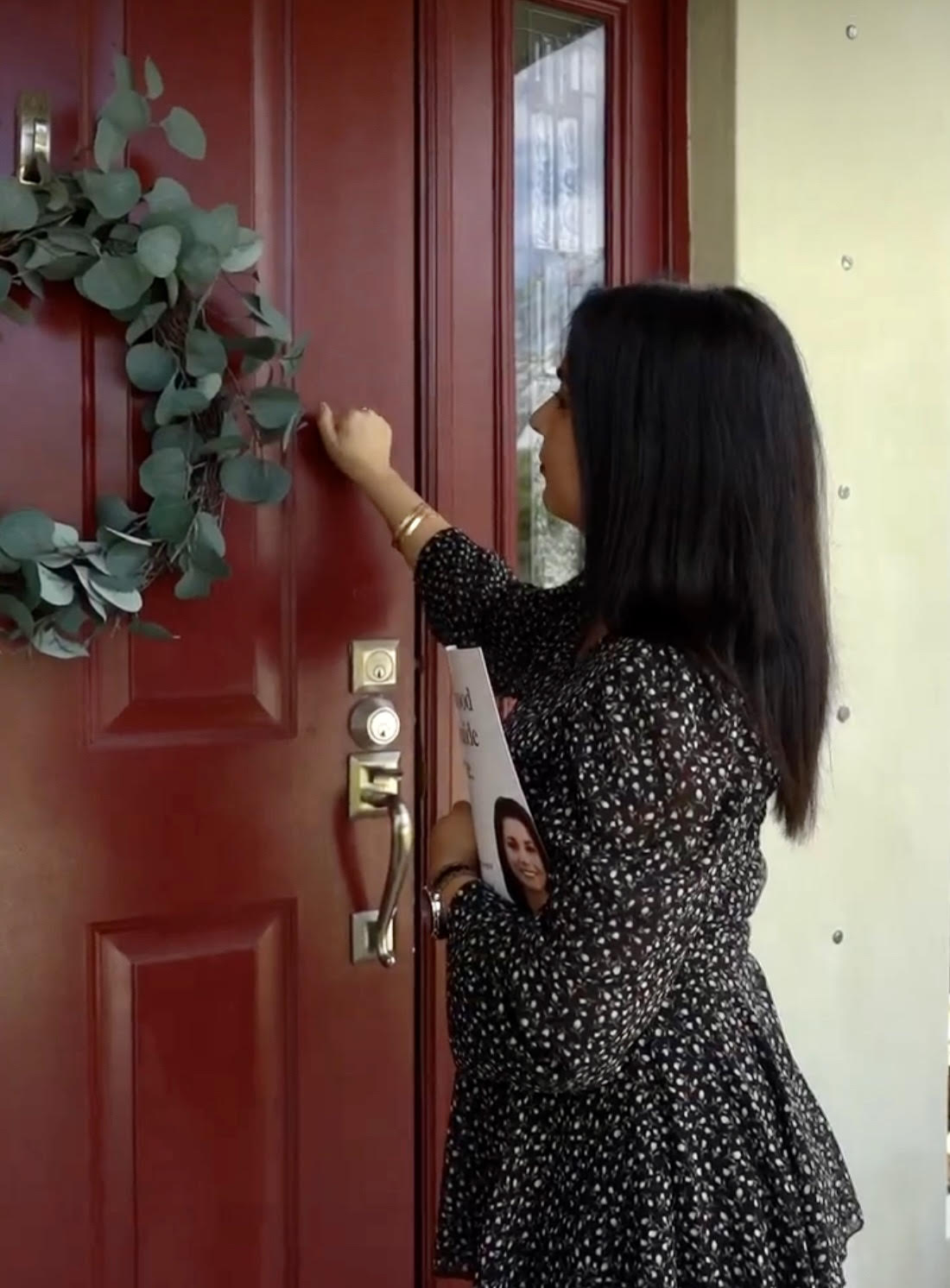
Wondering why your Miami house isn't selling? Realtor Jenilyn Martinez explains 7 common reasons, local market trends, and how to attract serious buyers

Pricing a Home in Miami: Why Testing the Market Can Cost You

First two weeks selling a home

By Jenilyn “Jenny” Martinez | Miami Realtor® | Compass Real Estate

From My Family's HVAC Roots to Miami Real Estate: What Homeowners Should Know About AC Systems, Home Improvements, and Property Value

Miami Real Estate Market Update | October 2026

Coconut Grove Real Estate Market 2026: Houses vs. Condos | Jenilyn Martinez
Whether working with buyers or sellers, Jenilyn provides outstanding professionalism into making her client’s real estate dreams a reality. Contact Jenilyn today to start your home searching journey!